
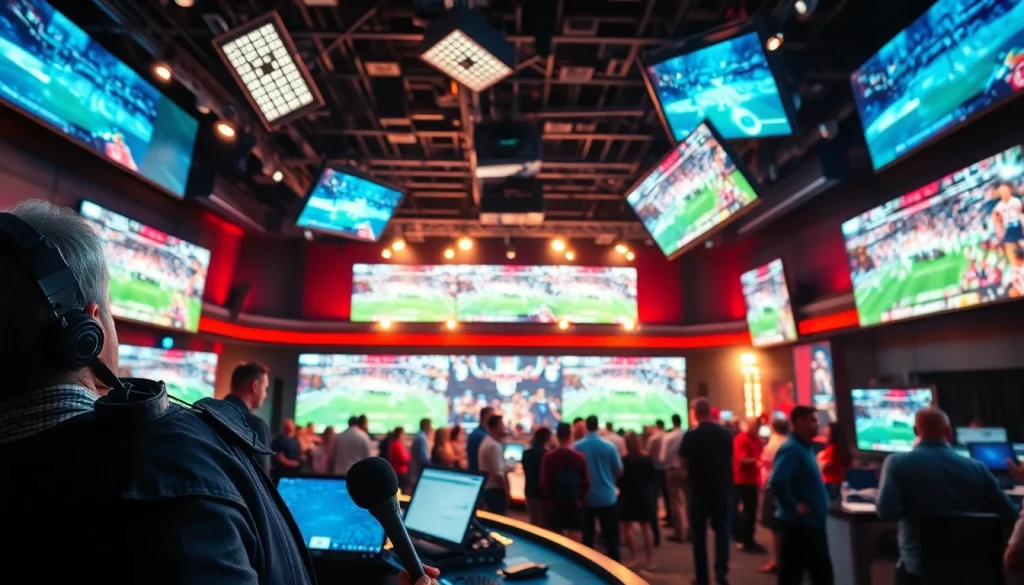
Introduction to Sports Broadcasting
What is Sports Broadcasting?
Sports broadcasting encompasses the live transmission of sporting events through various media channels, including television, radio, and online platforms. At its core, the goal is to deliver real-time coverage, commentary, and analysis, bringing the excitement of the game to audiences across the globe. As the media landscape evolves, the Sports Broadcasting industry has adapted to meet shifting consumer preferences and technological advancements, forming a vital connection between athletes and their fans.
The Evolution of Sports Broadcasting
The journey of sports broadcasting has been marked by significant milestones since the first radio broadcasts in the early 20th century. The advent of television in the 1950s transformed viewership, making sports more accessible than ever. High-definition broadcasts followed, leading to enhanced visuals that heighten the viewing experience. The rise of the internet brought about live streaming, allowing fans to watch games on demand. Today, mobile applications and social media have further changed the landscape, enabling fans to engage with content in new and interactive ways.
Current Trends in Sports Broadcasting
Several significant trends are shaping the future of sports broadcasting today. First, the integration of augmented reality (AR) and virtual reality (VR) is enhancing the viewer experience by allowing fans to immerse themselves in the action from unique perspectives. Second, data analytics is becoming crucial for broadcasters, providing insights into audience behavior and preferences. Finally, the rise of direct-to-consumer streaming services has disrupted traditional broadcasting models, compelling networks to innovate and cater to younger, tech-savvy audiences.
Understanding Audience Engagement in Sports Broadcasting
Defining the Target Audience
Defining the target audience is a critical first step in crafting an effective sports broadcasting strategy. Audience demographics can vary significantly based on sport, event type, and geographic location. Broadcasters must understand the preferences and viewing habits of their audience segments to tailor content that resonates. Utilizing tools like surveys and social media analytics provides valuable insights into what drives audience engagement.
Engagement Strategies for Interactive Viewing
To enhance interactive viewing experiences, broadcasters can employ several strategies. Live polls and Q&A sessions during broadcasts can significantly increase viewer participation. Additionally, integrating features like live chats or social media feeds encourages real-time interaction. These strategies not only heighten the viewing experience but also foster a sense of community among fans.
The Role of Social Media in Sports Broadcasting
Social media plays a vital role in modern sports broadcasting. Platforms such as Twitter, Instagram, and TikTok serve as outlets for real-time updates, highlights, and behind-the-scenes content, allowing broadcasters to engage with fans beyond traditional viewing hours. Social media also facilitates fan-generated content, creating deeper connections between audiences and athletes, ultimately driving viewership and loyalty. The integration of hashtags and trending topics during broadcasts can amplify online conversations, creating a buzz around events.
Key Technologies in Sports Broadcasting
Advanced Equipment and Software
The backbone of sports broadcasting lies in advanced technology, from high-definition cameras and drones to sophisticated broadcasting software. Innovations such as robotic cameras and remote production capabilities have revolutionized live event coverage, making it possible to capture dynamic angles without extensive crew deployment. These technologies allow broadcasters to deliver stunning visuals and seamless transitions, elevating the overall viewer experience.
Live Streaming Innovations
Live streaming has emerged as a dominant force in the broadcasting landscape, fueled by the rapid expansion of internet access and mobile devices. Innovations in compression technology, adaptive bitrate streaming, and content delivery networks (CDNs) ensure smooth, high-quality broadcasts, even under variable network conditions. Additionally, platforms that offer live streaming opportunities can directly engage with audiences, creating personalized experiences like choosing camera angles or accessing real-time statistics during games.
Analytics and Metrics in Broadcasting
Analytics has become an indispensable tool in sports broadcasting, providing data-driven insights that inform decision-making. By analyzing viewer metrics such as engagement rates, peak viewership times, and geographic distribution, broadcasters can tailor content to maximize reach and impact. Leveraging viewer analytics not only helps refine programming strategies but also aids in securing advertising deals that resonate with target demographics.
Best Practices for Sports Broadcasting Professionals
Effective Communication Skills
A sports broadcaster’s ability to communicate effectively is paramount. This includes not only clear and engaging commentary but also connecting with audiences on an emotional level. Tone variation, vocal clarity, and strategic use of language enhance storytelling during broadcasts. Continuous practice and feedback loops from peers can help refine these skills, allowing broadcasters to engage viewers more compellingly.
Preparing for Live Events
Preparation is key for a successful live broadcast. Broadcasters must thoroughly research teams, players, and statistics ahead of events to provide informed commentary. Developing a flexible script or outline can help structure the broadcast while allowing space for spontaneous moments. Collaborating with production teams to understand logistics and timing ensures that technicians, commentators, and analysts work cohesively for a seamless broadcast.
Adapting to Audience Feedback
Audience feedback is invaluable in an evolving broadcasting landscape. Broadcasters should actively seek and analyze viewer responses during and after events through social media, surveys, and analytics. This information can inform adjustments in content delivery, engagement tactics, and future programming choices, ultimately enhancing viewer satisfaction and loyalty.
Challenges and Future of Sports Broadcasting
Identifying Current Challenges
Despite its evolution, the sports broadcasting industry faces several challenges. Fragmented viewership due to the proliferation of streaming services complicates audience reach. Additionally, legal and regulatory issues surrounding broadcasting rights can hinder growth opportunities for new players in the market. Broadcasters must navigate these challenges strategically to sustain and grow their audience bases.
The Impact of Technology on Future Broadcasting
Advancements in technology will continue to shape the future of sports broadcasting. As augmented reality and artificial intelligence become more integrated into broadcasts, the viewer experience will evolve dramatically. For instance, AI-driven analytics may provide real-time insights during games, enhancing commentary while providing viewers with in-depth knowledge. The concept of personalized broadcasts that cater to individual preferences is also becoming more plausible, creating a truly individualized viewing experience.
Predictions for the Future of Sports Broadcasting
Looking ahead, the trend of personalized content delivery will take center stage in sports broadcasting. Viewers will expect tailored programming that aligns with their unique consumption habits, preferences, and lifestyles. Furthermore, the increasing incorporation of interactive elements, such as gamification in broadcasts and community-driven features, will redefine how audiences engage with sports content. This evolution has the potential to create long-lasting connections between fans, athletes, and broadcasters alike.
FAQs
What is the main role of a sports broadcaster?
A sports broadcaster provides commentary, updates, and analysis during live sports events, engaging viewers through dynamic storytelling and insights.
How has technology changed sports broadcasting?
Technology has introduced live streaming, enhanced audio-visual quality, and advanced analytics, creating a more interactive and engaging viewing experience for fans.
What skills are essential for sports broadcasters?
Effective communication, an in-depth understanding of sports, adaptability, and tech proficiency are crucial skills for success in the field of sports broadcasting.
How can audience engagement be improved in sports broadcasting?
Utilizing social media for real-time interaction, incorporating live polls, and creating immersive content can significantly enhance audience engagement during broadcasts.
What future trends should we expect in sports broadcasting?
Expect growth in personalized content delivery, immersive technologies like VR, and increased reliance on data analytics for tailored broadcasting experiences in the future.