
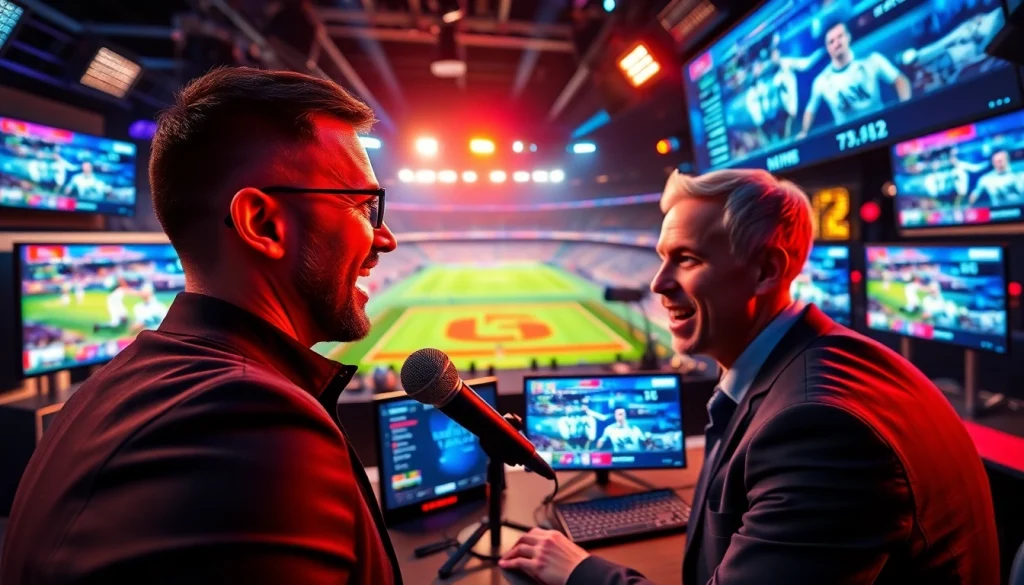
Understanding Sports Broadcasting
Definition and Importance of Sports Broadcasting
Sports Broadcasting refers to the distribution of live or recorded sports events over various mediums such as television, radio, or online platforms. It plays a pivotal role in connecting fans with their favorite teams and athletes, creating an immersive experience that transcends geographical boundaries. In today’s digital era, where audience consumption is rapidly evolving, understanding this field is crucial for stakeholders in the sports industry.
The significance of Sports Broadcasting lies not only in providing entertainment but also in driving substantial economic impacts, generating revenue through advertising, sponsorships, and subscriptions. It facilitates the global reach of sports events, enabling fans from diverse cultures to engage with sports content, fostering a sense of community that is essential for the growth of sports as a whole. For further insights into this dynamic field of Sports Broadcasting, one can explore emerging trends and strategies contributing to its evolution.
History and Evolution of Sports Broadcasting
The history of Sports Broadcasting traces back to the early 20th century when radio stations first began airing live sports events. The 1930s saw the introduction of radio broadcasts for major sports like baseball, capturing the excitement of games for fans who could not attend in person. With the advent of television in the 1950s, the sports broadcasting landscape transformed dramatically, allowing viewers to experience events in their living rooms.
Over the decades, technology has further advanced, giving rise to color broadcasts, cable sports networks, and eventually, digital streaming platforms. The proliferation of the internet in the late 20th century revolutionized how sports content is consumed, making it more accessible than ever before. Thus, Sports Broadcasting has evolved from simple radio broadcasts to complex multimedia experiences, integrating various technologies to enhance viewer engagement.
Key Players in the Sports Broadcasting Industry
The sports broadcasting landscape is composed of various key players ranging from large broadcasting networks to emerging streaming platforms. Major networks hold significant broadcasting rights for popular sports leagues, negotiating big money deals with leagues and organizations for exclusive content. Streaming services are increasingly vital in this ecosystem, tapping into younger audiences who prefer on-demand content over traditional watching.
In addition to broadcasting channels, technological companies that provide innovative viewing solutions, production companies that create high-quality sports content, and marketing agencies that promote sports events are integral to the sports broadcasting industry. Each of these players contributes to a highly dynamic field that continuously adapts to changing viewer preferences and technological advancements.
Technological Innovations in Sports Broadcasting
Emerging Technologies Impacting Sports Broadcasting
The rise of artificial intelligence and machine learning has started to reshape the landscape of Sports Broadcasting, from automated sports highlights to advanced analytics for player performance. Augmented reality (AR) and virtual reality (VR) are also making waves in how viewers consume sports content, providing immersive experiences that make fans feel as if they are part of the action.
The advent of high-definition broadcasts and the rollout of 4K streaming further enhance visual quality, making the experience more engaging for viewers. Drones are increasingly used for aerial shots during live events, offering unique perspectives that were previously unattainable. Collectively, these technologies are setting new standards in viewer engagement and satisfaction.
The Role of Streaming Services in Sports Broadcasting
Streaming services have emerged as formidable competitors to traditional broadcasting networks, offering viewers flexibility and convenience that align with contemporary viewing habits. Platforms like live sports streaming provide on-demand content, allowing fans to watch events anytime, anywhere without being tethered to a broadcast schedule.
Moreover, streaming services often showcase niche sports and lesser-known leagues, broadening the variety of sports content available to audiences and introducing new sports to potential fans. Increasingly, sports leagues are partnering with these platforms, leading to innovative content strategies that enhance viewer engagement while adapting to the realities of modern media consumption.
Mobile Applications and Future Trends in Sports Broadcasting
Mobile applications are revolutionizing Sports Broadcasting by allowing fans to engage with content on-the-go. Features such as live updates, push notifications, and interactive content create a personalized experience for users, enhancing their emotional connection to teams and events. Furthermore, mobile platforms are leveraging user-generated content, enabling fans to contribute highlights, commentaries, and opinions.
Looking toward the future, expect a rise in personalized content delivery powered by data analytics, enabling broadcasters to tailor experiences to individual preferences. Moreover, advancements in blockchain technology could reshape ticketing and rights management within the industry, promoting transparency and removing barriers to access.
Content Creation and Audience Engagement
Crafting Compelling Narratives in Sports Broadcasting
At the heart of successful Sports Broadcasting lies the art of storytelling. Crafting compelling narratives around teams, athletes, and events elevates the viewing experience and increases audience loyalty. Broadcasters must delve into the history of teams, personal stories of athletes, and the significance of events to create an emotional connection that captures and retains viewer attention.
Engaging narratives foster a deeper connection with the audience, making them feel invested in the outcomes of games and the journeys of athletes. Highlighting behind-the-scenes content, interviews, and documentaries can further enrich the narrative, providing fans with immersive experiences that extend beyond the event itself.
Utilizing Social Media for Sports Broadcasting Growth
Social media has become a powerful tool for Sports Broadcasting, enabling real-time engagement and interaction between fans and broadcasters. Platforms like Twitter, Instagram, and TikTok allow broadcasters to share highlights, conduct polls, and host live Q&A sessions, significantly enhancing fan participation.
By leveraging social media, broadcasters can amplify their reach and create viral moments that resonate with viewers, thus fostering community engagement. This approach allows for constant interaction, making fans feel heard and appreciated, cultivating a loyal and engaged viewer base.
Engaging Viewers through Interactive Broadcasting
Interactive broadcasting is revolutionizing how viewers engage with sports content. Features such as real-time statistics, multi-angle viewing options, and clickable content create participatory experiences that involve viewers in the game. Interactive platforms allow fans to share their insights during live events, fostering a sense of belonging and camaraderie among viewers.
Game-related polls, trivia, and live chats enhance engagement, making broadcasts more dynamic and enjoyable. These interactive elements not only make events more entertaining but also attract advertisers seeking innovative ways to connect with audience segments, thereby enhancing revenue potential.
Regulations and Challenges in Sports Broadcasting
Legal Aspects of Sports Broadcasting Rights
The legal landscape surrounding Sports Broadcasting rights is incredibly complex and often filled with negotiation and litigation. Broadcasting rights are typically awarded through intense bidding processes, where networks and platforms compete for exclusive access to major sports leagues. Understanding the intricacies of copyright laws, licensing agreements, and platform restrictions is essential for anyone involved in this field.
Additionally, regulations related to the distribution of content across different countries can complicate broadcasting strategies, as rights agreements often vary by region. Stakeholders must navigate these issues carefully to avoid legal pitfalls while maximizing their content reach.
Challenges Faced by Sports Broadcasters
Sports broadcasters face numerous challenges, including rising competition from emerging media platforms, changing viewer consumption patterns, and the need for constant innovation. The demand for high-quality content continues to grow, compelling broadcasters to invest in new technologies and training to ensure they meet audience expectations.
Additionally, fluctuating advertising revenues, largely impacted by economic conditions and viewer habits, pose challenges in maintaining profitability. Broadcasters must remain agile in their strategies to adapt to the evolving landscape while ensuring they deliver value to both fans and advertisers.
Future of Regulation in Sports Broadcasting
As technology evolves and media consumption patterns shift, the regulatory environment of Sports Broadcasting will likely continue to evolve as well. Future regulations will have to consider the impact of digital rights management, extending beyond traditional broadcasting to include streaming and social media platforms. Regulatory bodies may be required to develop frameworks that balance the interests of content producers, broadcasters, and consumers.
Proposed regulations may aim to streamline how sports content is produced, distributed, and monetized, ensuring fair competition while fostering innovation. Stakeholders must stay informed and engaged in the regulatory discussions that shape the future landscape of Sports Broadcasting.
Measuring Success in Sports Broadcasting
Key Performance Indicators for Sports Broadcasting
Measuring success in Sports Broadcasting requires identifying and analyzing various key performance indicators (KPIs). Viewership ratings, subscription numbers, and advertising revenues are fundamental metrics that showcase the broad audience appeal and financial health of broadcasting operations.
Additionally, metrics such as viewer engagement levels on social media, average watch time, and the reach of promotional content provide insight into audience habits and preferences. These mix of quantitative and qualitative data helps broadcasters evaluate their performance and optimize their strategies effectively.
Analyzing Audience Metrics and Feedback
Utilizing audience metrics allows broadcasters to gain a comprehensive view of their viewers’ behaviors. Gathering feedback through surveys, focus groups, and data analytics can unveil insights into viewer preferences and areas for improvement. Analyzing engagement data—including likes, shares, and comments—helps broadcasters understand what resonates with their audience and tailor content accordingly.
By leveraging these insights, broadcasters can adjust their programming, refine marketing strategies, and create content that not only attracts viewers but also retains them over time, establishing lasting loyalty within the audience.
Adapting Strategies Based on Performance Data
The ability to adapt strategies based on performance data is a hallmark of successful Sports Broadcasting entities. Regularly reviewing KPIs and audience feedback enables broadcasters to identify trends and make informed decisions about content development and distribution methods.
Embracing flexibility and innovation in response to measurable performance can aid broadcasters in navigating the competitive media landscape. By remaining attuned to audience feedback and market shifts, sports broadcasters can ensure their relevance and success in the ever-evolving world of sports media.
Frequently Asked Questions
What is Sports Broadcasting?
Sports Broadcasting refers to the dissemination of sports events via television, radio, or online platforms, creating an engaging experience for audiences.
How has technology influenced Sports Broadcasting?
Technology has revolutionized Sports Broadcasting with advancements like streaming services, AR, and VR, enhancing viewer engagement and content delivery.
Why are streaming services important for Sports Broadcasting?
Streaming services cater to evolving viewer preferences by providing on-demand content, expanding audience reach, and showcasing niche sports.
What challenges do sports broadcasters face?
Broadcasting challenges include competition from digital platforms, fluctuating advertising revenue, and the need to innovate continually.
How is success measured in Sports Broadcasting?
Success is measured using KPIs such as viewership ratings, audience engagement, subscription numbers, and financial performance metrics.